
About Me
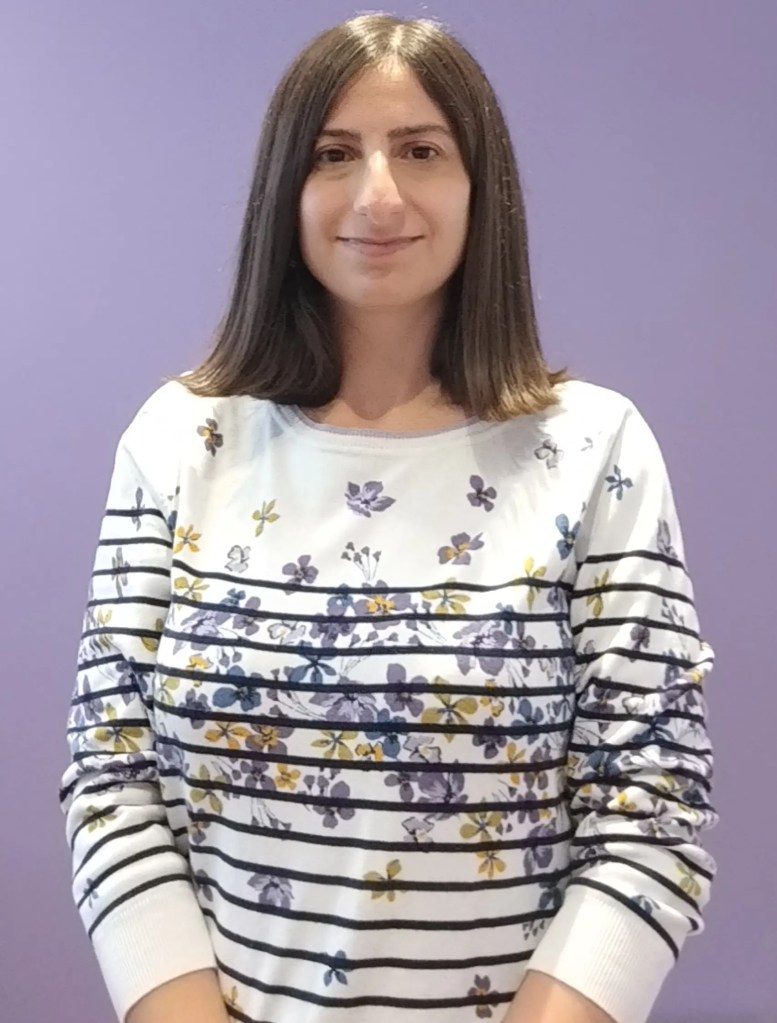
Hi, I’m Penny (she/her) and I’ve been in practice since 2014. I’ve always been passionate about creating a space where people can be authentically themselves while exploring what matters most to them.
Having battled with anxiety since a young age, in my teenage years I had a particularly bad period of depression. It was after I came through this difficult period that I had my first thoughts of becoming a counsellor; this was only solidified during my university years studying Psychology.
What drives me in this work is my deep belief that every person has their own innate wisdom and strength to find their way through life’s challenges. My role in your therapy journey is not as one to fix you or tell you what to do, but to provide an inviting space where you can reconnect with your own insights and find your way forward at your own pace.
I also believe that my own unique experiences as a queer and neurodivergent person also afford me the compassion and insight to see the universal experience of human distress. Having a therapist reflecting things back to you from a different perspective can hugely benefit your understanding of yourself.
How I work
I practice Integrative therapy, using the Person Centred approach as my foundation and incorporating aspects of Psychodynamic theory, Cognitive-Behavioural Therapy (CBT) and Gestalt therapy. I believe that everyone has the ability to grow and fulfil their potential; I am there to support this process by genuinely striving to understand each person’s experiences from a non-judgemental perspective.
I also believe that our past experiences have a lasting impact on our present situations and aim to uncover these patterns through exploration and discussion. It’s also important to know that sometimes our thoughts and perceptions of events can affect our feelings and behaviour, that thinking and talking about stuff from the past can evoke strong feelings in the present; it can be useful (but often difficult) to try to stay with the feelings that emerge.
Since my counselling journey began over a decade ago, I have been effectively working with adult clients in various settings, accumulating thousands of hours of experience delivering therapy sessions.
Between 2016-2019 I successfully delivered counselling to children & adolescents in several schools, including play therapy through Place2be. Latterly I worked at The Brit School, delivering time-limited counselling to staff & students aged 14- 18, using a mixture of traditional counselling and creative counselling.
In addition to my private practice, I am also enjoying some freelance work being a Specialist Mentor for university students who qualify for DSA.
Who I work with
I approach my clients from a place of genuine curiosity and respect because my counselling practice is built on the foundation that everyone deserves to feel safe, heard and valued, regardless of their race, culture, gender, sexuality, or background.
I believe that our individual differences enrich the therapeutic relationship, and I’m always eager to grow my own understanding of experiences that are different from my own. I do my utmost to avoid making assumptions, and instead extend an invitation for you to share your world with me. Together we can gain understanding and insight into your lived experiences and what you need to feel supported to thrive.
Although I do have a particular passion for and experience in working with people who identify as neurodivergent (self-diagnosed inclusive) and/or LGBTQIA+, over the years I have worked well with individuals from a wide variety of ages, religions, ethnicities, social classes, abilities, genders, and sexualities, as well as working with different levels of mental distress.
What issues I’ve worked with
Please get in touch if you would like us to work together to help you overcome your struggles


 Pensive Counselling: Essex Therapy